from abacus to algorithms: PREPARING STUDENTS IN A DIGITAL AGE

Institution for Higher Education Faculty and K-12 Educators

July 13-17, 2026
In person work at North Carolina State University’s College of Education’s William & Ida Friday Institute for Educational Innovation- Raleigh, NC
 
July 20-31, 2026
Virtual work (synchronous and asynchronous) and final showcase

This three-week institute will engage K-12 educators from a range of grade levels and subject areas.

PROJECT DESCRIPTION

This is a new project in partnership between the nonprofit Digital Citizenship Foundation and North Carolina State University, College of Education’s William & Ida Friday Institute for Educational Innovation (Friday Institute). From Abacus to Algorithms: Preparing Students in a Digital Age is a three week institute, with one week in person at the Friday Institute, and two weeks of virtual work. This institute will engage 25 K-12 educators from a range of grade levels and subject areas, including library media specialists.

The rapid evolution of technology for simple calculations tools to complex artificial intelligence systems has fundamentally reshaped how knowledge is created, accessed, and applied in contemporary society. From Abacus to Algorithms: Preparing Students in a Digital Age is designed to equip K-12 educators with the knowledge and pedagogical strategies needed to prepare students for responsible and informed digital citizenship. This program acknowledges that digital literacy is no longer a supplemental skill but a foundation component of participating in society. By fostering critical inquiry into the intersection of technology, ethics, and civic responsibility, the institute seeks to empower educators to help students navigate the digital landscape with confidence and discernment.


This initiative explores key questions at the heart of education in a digital age:


  • How do we cultivate students’ ability to critically evaluate digital information?
  • How can educators integrate AI and emerging technologies into humanities instruction?
  • What frameworks best support ethical decision-making in online spaces?
  • How can humanities education help prepare 21st century learners?

PARTICIPANT EXPECTATION: Participants in the From Abacus to Algorithms Institute will engage in a dynamic, future-focused professional learning experience designed to stretch their thinking, deepen their practice, and prepare them to lead conversations around AI, digital literacy, and civic readiness in their school and communities. Over three weeks, participants are expected to fully engage as learners, collaborators, and emerging thought leaders.


Eligibility and Applying: To be considered, you must submit a complete application on this site under “How to Apply.” Prospective participants must follow the stated application and acceptance deadlines. In general, application extensions will not be granted. Any questions about applying should be directed to Digital Citizenship Foundation. Participant eligibility criteria are determined by NEH. Application review and offer decisions are determined by individual project teams in accordance with NEH eligibility requirements. 


Participant Acceptance: In any given year, an individual may attend only one Institute or Landmarks workshop. Participants may not accept an additional offer or withdraw in order to accept a different offer once they have accepted an offer to attend an NEH Institutes or Landmarks program. Endowment programs do not discriminate on the basis of race, color, national origin, religion, sexual orientation, disability, or age. 


Principles of Civility: Project teams and program participants must adhere to the Principles of Civility for NEH Professional Development Programs detailed here: https://www.neh.gov/grants/principles-civility 


Participant Stipends and Attendance: Stipends provide compensation to participants for their time commitment and help to defray participation costs, such as travel, program activities, lodging, and meals (for residential programs), and technical support (for virtual programs). For residential programs, participants cover their own costs for travel to/from a program, lodging, and meals. Stipends are taxable as income. 

Project teams must not reduce participant stipends for project-related activities, lodging, or meal costs without prior approval. Project teams must not place contingencies (completing a lesson plan, completing a program evaluation, etc.) on the receipt of participant stipends. 

Applicants who accept an offer to participate are expected to remain during the entire period of the program and to participate in its work on a full-time basis. If a participant is obliged through special circumstances to arrive after the beginning or depart before the end of the Institutes or Landmarks program, it shall be the recipient institution’s responsibility to see that only a pro rata share of the stipend is received or that the appropriate pro rata share of the stipend is returned if the participant has already received the full stipend. 


Expected Participant Stipend:

$2400.00


Participant Evaluations: The NEH requires project directors to collect anonymous participant evaluations at the conclusion of their programs. Unedited participant evaluation responses will be included in the project’s final report to the NEH and any future Institutes or Landmarks applications.


Continuing Education, In-Service, and Graduate Credits for K-12 Programs: Project teams may opt to offer continuing education, in-service, or graduate credit. These opportunities sometimes require additional work by participants beyond the program, such as writing a research paper, and participants are responsible for associated costs or fees unless otherwise noted. This project offers professional and/or teacher licensure hours dependent on which state the participant resides.

PARTICIPANT ELIGIBILITY CRITERIA 


You are eligible to apply if you are a: 

• United States citizen, including those teaching abroad at U.S. chartered institutions and schools operated by the federal government; 

• resident of U.S. jurisdictions; or 

• foreign national who has been residing in the United States or its jurisdictions for at least the three years immediately preceding the application deadline. 


You are not eligible to apply if you: 

• are a foreign national teaching abroad 

• are related to the project director(s) 

• are affiliated with the applicant institution (employees, currently enrolled students, etc.) 

• have been taught or advised in an academic capacity by the project director(s) 

• are delinquent in the repayment of federal debt (taxes, student loans, child support payments, and delinquent payroll taxes for household or other employees) 

• have been debarred or suspended by any federal department or agency 

• have attended a previous NEH professional development project (Seminars, Landmarks, or Institutes) led by the project director(s) 


NEH does not require participants to have earned an advanced degree. 


In any given year, an individual may attend only one Institute or Landmarks workshop. 


J1 and F1 visa holders should confer with their sponsoring institution regarding their eligibility to receive a stipend from another institution. 


To be considered for selection, applicants must submit a complete application as indicated on the individual project’s website. Any questions about applications should be directed to the individual project team.

We are seeking bold, imaginative, and grounded educators who are ready to explore the future of teaching and learning at the intersection of artificial intelligence, digital literacy, and civic responsibility. Ideal participants will be eager to engage with both speculative possibilities and practical implementation—balancing big-picture thinking with classroom relevance.


Link to application: 

From Abacus to Algorithms: Preparing Students in a Digital Age Participant Application – Fill out form


PDF of application:

NEH Application – From Abacus to Algorithms_ Preparing Students in a Digital Age

Principles of Civility for NEH Professional Development Programs


NEH Institutes and Landmarks programs are intended to extend and deepen knowledge and understanding of the humanities by focusing on significant topics, texts, and issues; contribute to the intellectual vitality and professional development of participants; and foster a community of inquiry that provides models of excellence in scholarship and teaching. 


NEH expects that project directors will take responsibility for encouraging an ethos of openness and respect, upholding the basic norms of civil discourse. 


Institute and Landmarks presentations and discussions should be: 


  1. firmly grounded in rigorous scholarship, and thoughtful analysis; 
  2. conducted without partisan advocacy; 
  3. respectful of divergent views; 
  4. free of ad hominem commentary; and 
  5. devoid of ethnic, religious, gender, disability, or racial bias. 


NEH welcomes comments, concerns, or suggestions on these principles at questions@neh.gov.

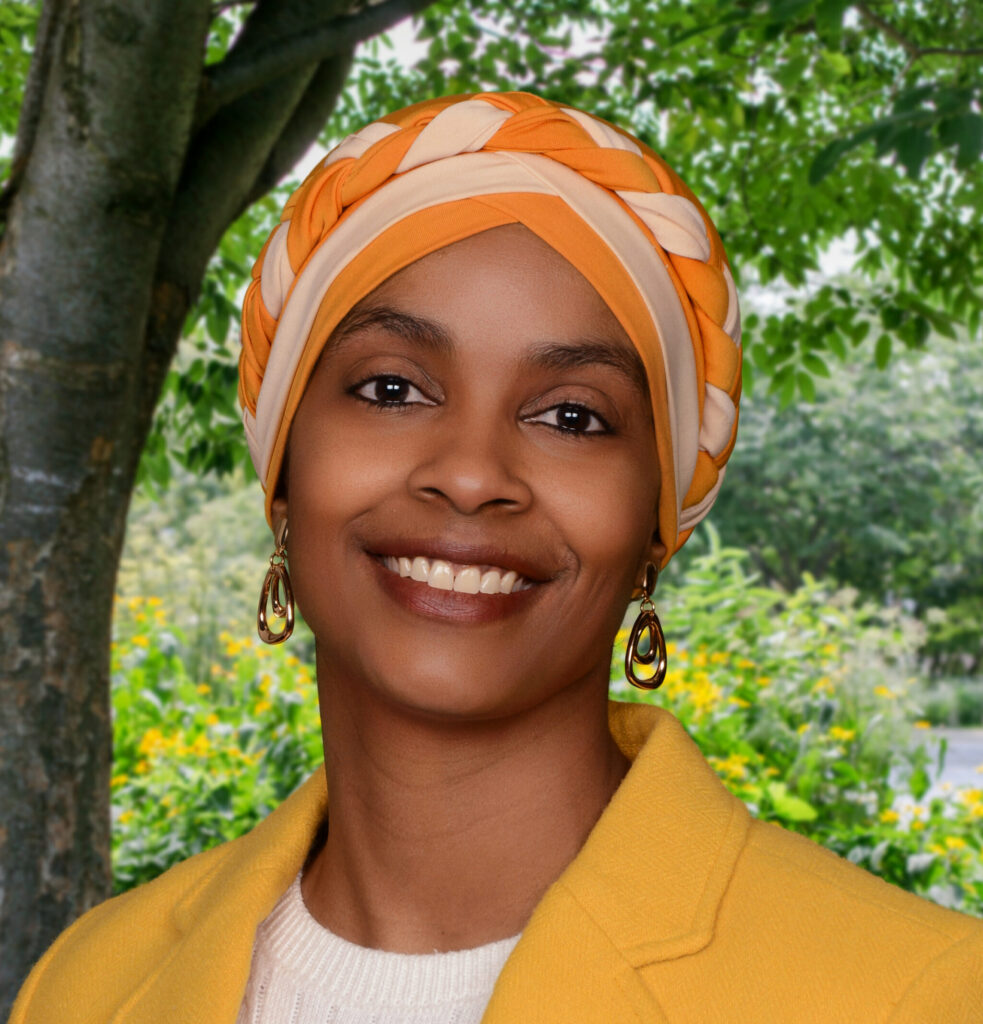
 Carrie Rogers-Whitehead


Carrie is the founder of Digital Respons-Ability, a mission-based company that has taught tens of thousands of parents, students, and educators around the world. Carrie is an adjunct instructor, former librarian, and regularly consults and trains on technology, online safety, education, parenting, and more. She is an award-winning author of seven books, most recently Deepening Digital Citizenship: A Guide to Systemwide Policy and Practice. Carrie lives with her family in Utah.

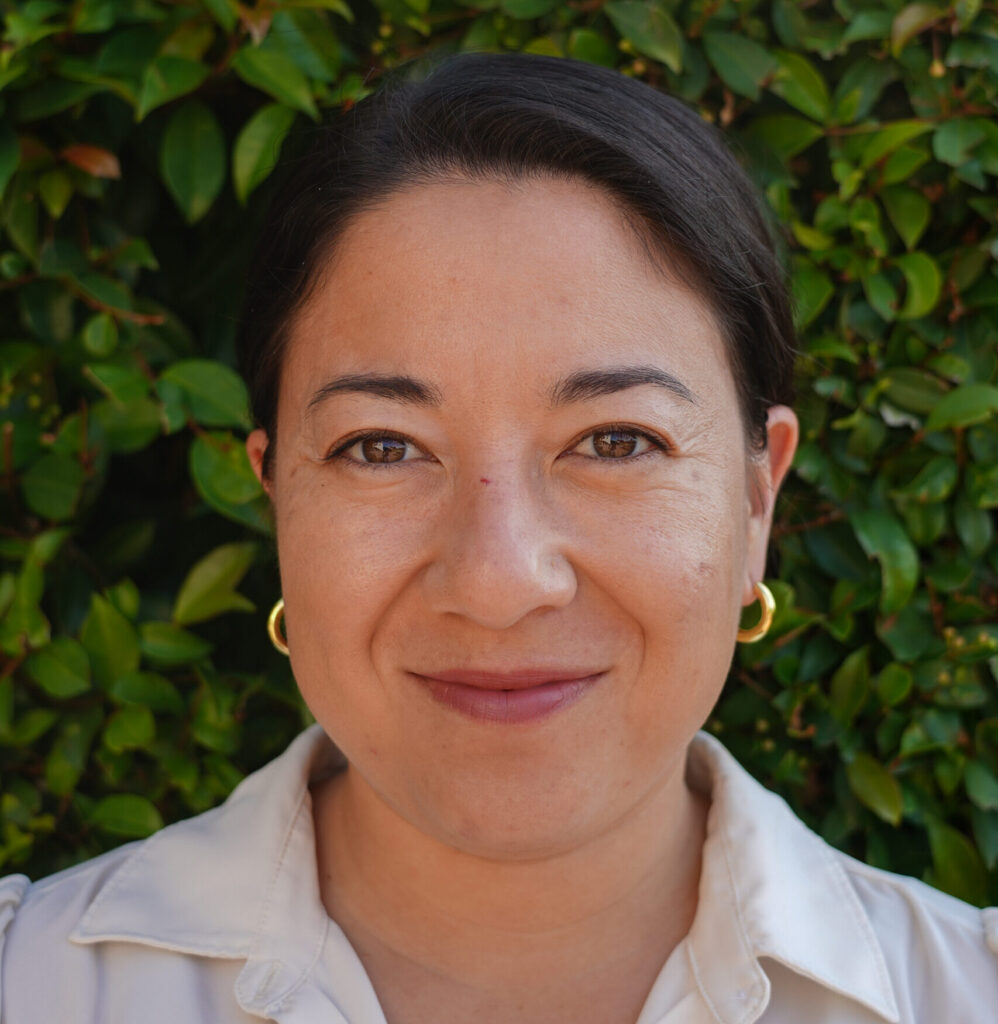
Emma Braaten


Emma is the Director of Digital Learning at the Friday Institute for Educational Innovation at North Carolina State University. Before this role she was the Chief Technology Officer at Chatham County Schools and worked for the NC Department of Public Instruction. Emma was formerly a school librarian and teacher and is finishing her PhD in Teacher Education and Learning Science. Emma has trained and consulted with thousands of educators across the country on education policy, AI and emerging technology implementation.

Please send any inquiries to contact@digitalcitizenshipfoundation.org

The National Endowment for the Humanities: Democracy demands wisdom.

“Any views, findings, conclusions, or recommendations expressed in this website do not necessarily represent those of the National Endowment for the Humanities.”